6432 x 4136 px | 54,5 x 35 cm | 21,4 x 13,8 inches | 300dpi
Aufnahmedatum:
28. August 2026
Ort:
Warrington, Cheshire, England, UK
Weitere Informationen:
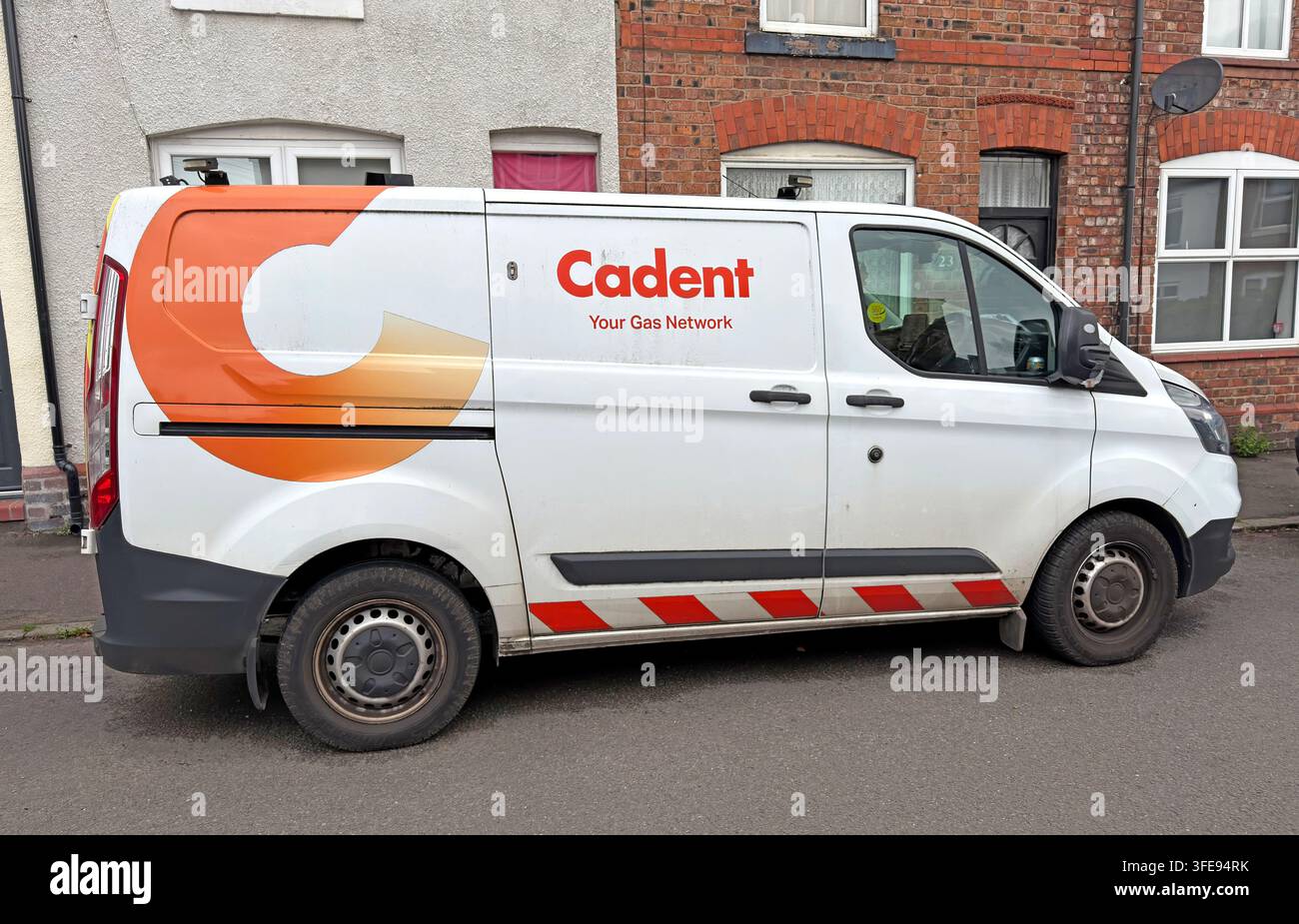
. A Cadent service van is parked in a residential street in Warrington, representing the workforce maintaining local gas distribution pipes and responding to faults and network work. Cadent owns and maintains Britain's largest gas distribution network, serving around 11 million homes and businesses. It was created in 2017 when National Grid sold a majority stake in its gas-distribution business and the networks began operating under the Cadent name. In North West England Cadent maintains more than 21, 000 miles of underground pipe supplying about 2.7 million premises, including homes, hospitals, schools and industry. Its orange-and-white vans are the visible part of a mostly hidden infrastructure system, used by engineers dealing with leaks, planned replacement and network maintenance. Cadent also manages the national gas emergency telephone service on behalf of the gas industry. Cadent's network is a natural monopoly regulated by Ofgem, so customers choose their gas supplier but not the local company responsible for the pipes under the street, a distinction often misunderstood in public debate about energy bills. Britain's gas distribution system is distinct from the energy suppliers that bill households. Cadent owns and maintains pipes across several regions, including the North West, while customers can choose a retail supplier using the same physical network. Engineers therefore attend leaks, replace ageing mains and connect premises regardless of which company appears on the resident's gas bill. Large programmes have replaced older iron pipes with polyethylene to reduce leakage risk and improve network resilience. The future of this infrastructure is also part of the net-zero debate, with questions over electrification, hydrogen and the long-term role of gas heating. A Cadent van in Warrington consequently represents both essential safety and maintenance work and a network whose future purpose is being reconsidered as Britain decarbonises heat.