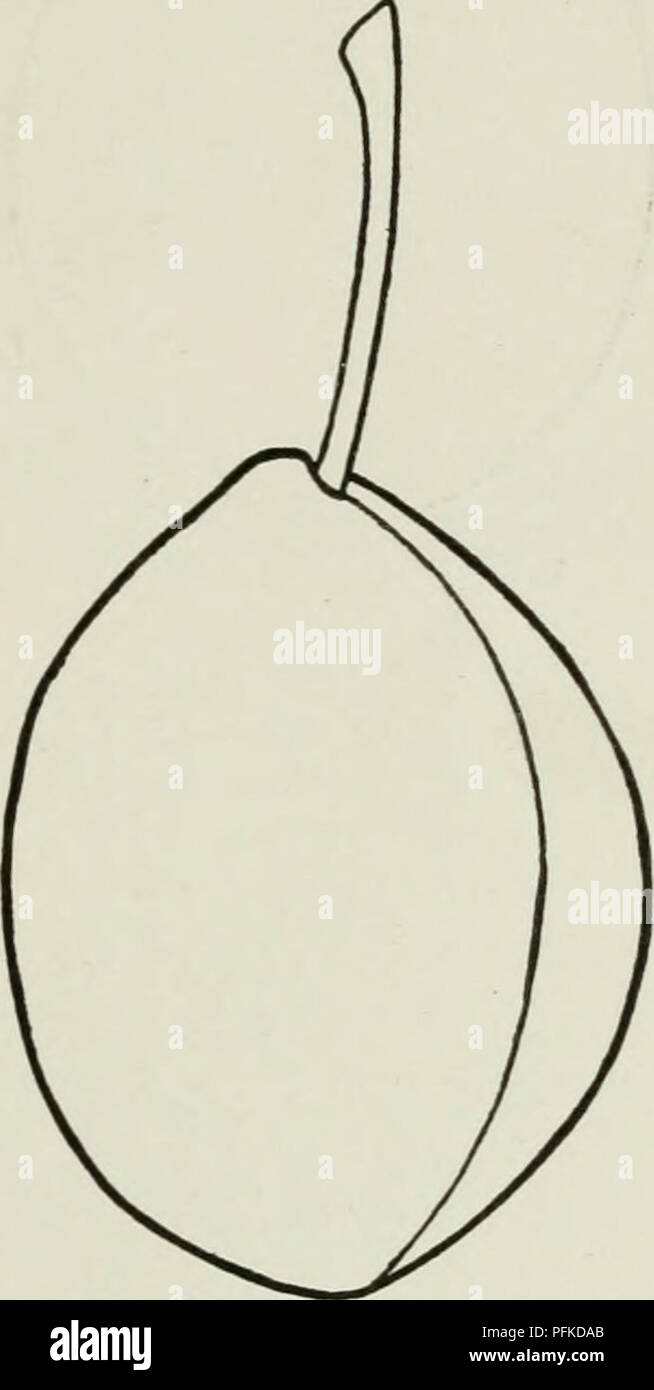
Diese Cyclopedia bietet einen umfassenden Leitfaden zu harten Obstsorten, einschließlich der Imperial Gage Pflaume. Er beschreibt die Merkmale und Anbaumethoden verschiedener Obstbäume und bietet Einblicke in deren Wachstum und Produktivität.
1121 x 2228 px | 19 x 37,7 cm | 7,5 x 14,9 inches | 150dpi
Weitere Informationen:
Nur Zugriffsrechte. Dies ist ein Handout- oder gemeinfreies Bild, das von einem Dritten bereitgestellt wurde. Alamy gewährt Zugriff auf die digitale Datei, übernimmt jedoch keine Gewährleistungen hinsichtlich Urheberrecht oder Persönlichkeitsrechten. Änderungen, Bearbeitungen oder Zuschnitte sind ohne vorherige Genehmigung untersagt. Alle kommerziellen Nutzungen erfordern eine vorherige Genehmigung des Inhaltsanbieters.
Dieses Bild kann kleinere Mängel aufweisen, da es sich um ein historisches Bild oder ein Reportagebild handel
. Cyclopedia of hardy fruits. Fruit; Fruit-culture. 197. Imperial Gage. (XD and market. In selected locations. Imperial Gage is a most valuable fruit. The Princes in their nursery at Flushing, Long Island, about the year 1790, planted the pits of twenty-five quarts of the Green Gage plum, and from one of these produced Imperial Gage. Tree large, vigorous, upright-spreading, open-topped, hardy, very productive. Leaves obovate, 2 inches wide, 3 inches long, thick ; apex pointed ; base acute ; margin crenate, with small dark glands; petiole V2 inch long, thick, glandless or with 1 or 2 small, globose, yellowish- green glands. Flowers 1 inch across, white. Fruit midseason; 1V2 inches in diameter, ovate, compressed, halves equal ; cavity shallow, narrow, abrupt ; suiure a line; apex depressed ; color dull greenish-yellow, with obscure green streaks, mottled and faintly tinged red on the sunny side, with thick bloom ; dots numerous, small, grayish, obscure; stem % inch long, pubescent; skin thin, tender, separating readily ; tiesh golden- yellow, juicy, firm, tender, sweet, mild ; good to very good; stone free, oval, flattened, with pitted surfaces, blunt at the base, very blunt at the apex. ITALIAN PRUNE. Fig. 198. P. domcs- tica. FcUenbcrg. Italian Prime is grown in all of the plum regions of continental Europe; is well known in England; is third or fourth in popularity in the Atlantic states of America; is the leading plum in the Pacific Northwest, where it is chiefly used in prune-making; and is grown somewhat for prunes and for shipping green in California. The fruit is finely fla- vored, whether eaten out of hand, prepared for the table, or cured as a prune. While a little too tart to be ranked as a first-rate dessert plum, it is one of the best of the prunes for this purpose, though it must be fully ripe to be fit for dessert. In cooking, the yellow flesh changes to a dark wine color, very attractive in appearance, with a most pleasant, sprightly flavor; as a cured