5472 x 3648 px | 46,3 x 30,9 cm | 18,2 x 12,2 inches | 300dpi
Aufnahmedatum:
24. Juli 2014
Ort:
Nassau, Providence Island, The Bahamas
Weitere Informationen:
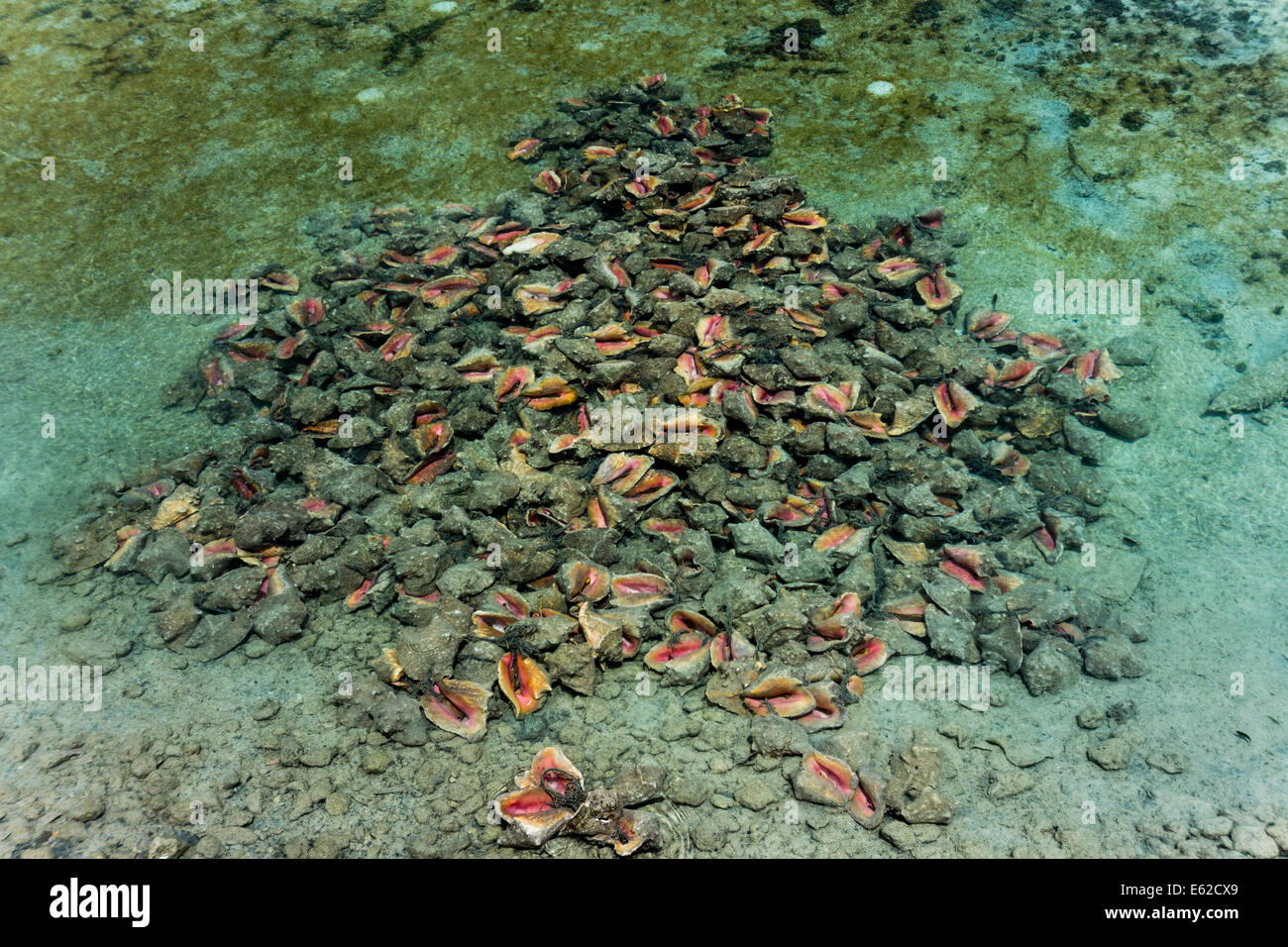
Lobatus gigas, commonly known as the queen conch, is a species of large edible sea snail, a marine gastropod mollusc in the family of true conches, the Strombidae. This species is one of the largest molluscs native to the tropical northwestern Atlantic, from Bermuda to Brazil, reaching up to 35.2 centimetres (13.9 in) in shell length. L. gigas is closely related to the goliath conch, Lobatus goliath, a species endemic to Brazil, as well as the rooster conch, Lobatus gallus. Within the conch fisheries, one of the threats to sustainability stems from the fact that there is almost as much meat in large juveniles as there is in adults, but only adult conchs can reproduce, and thus sustain a population. In many places where adult conchs have become rare due to overfishing, larger juveniles and subadults are taken before they ever mate.[62][69] On a number of islands, subadults provide the majority of the harvest. Lobatus gigas abundance is declining throughout its range as a result of overfishing and poaching. Populations in Honduras, Haiti and the Dominican Republic, in particular, are currently being exploited at rates considered unsustainable. Trade from many Caribbean countries is known or thought to be unsustainable. Illegal harvest, including fishing in foreign waters and subsequent illegal international trade, is a common problem. The Caribbean "International Queen Conch Initiative" is an international attempt at managing this species.