
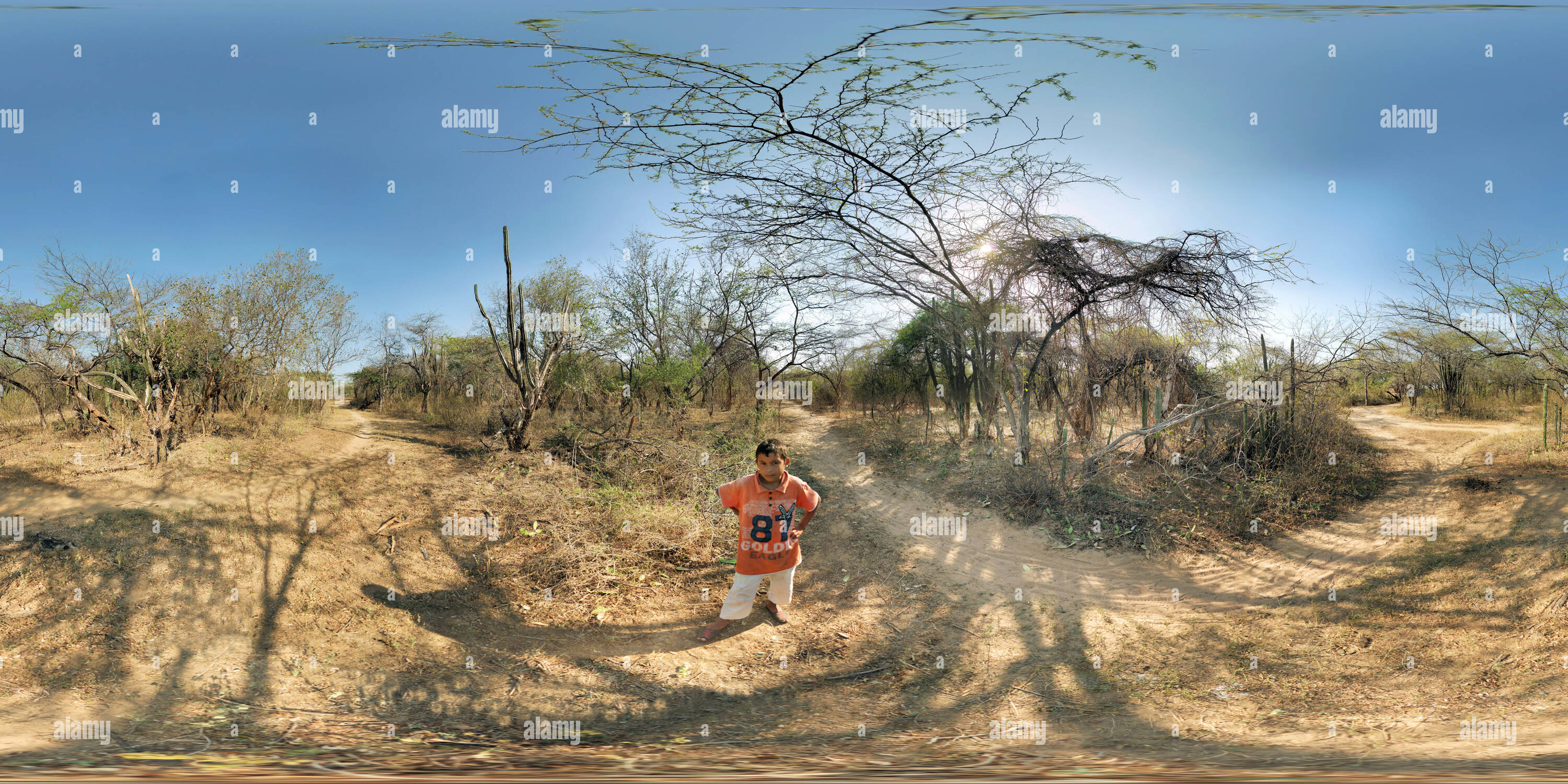
Paisaje Wayuu Guajira
Bilddetails
Bildanbieter:
360Cities.netBild-ID:
R1TN2HDateigröße:
321,9 MB (55,3 MB Komprimierter Download)Freigaben (Releases):
Model - nein | Eigentum - neinBenötige ich eine Freigabe?Format:
15000 x 7500 px | 127 x 63,5 cm | 50 x 25 inches | 300dpiFotograf:
MAURICIO RAMIREZWeitere Informationen:
The Wayuu ( autonym / waju: / Wayuu ) and peasants (the Arawak peasant , sir, powerful man), three are natives of the Guajira Peninsula , on the Caribbean Sea , inhabiting territories of Colombia and Venezuela , regardless the boundaries between these two South American countries.The Wayuu are the largest indigenous group in Venezuela and Colombia , representing about 11% of the state's population Zulia and about 45% of the department of La Guajira . 5 97% of the population speak their traditional language is wayuunaiki , 32% speak Castilian. 66% did not receive any formal education. The Wayuu population according to the 1993 census, is 144, 003 persons of whom they represent 20% of the indigenous population of Colombia being the largest group in Colombia. According to estimates from Venezuela, the combined population of the two countries exceeds 400, 000 Wayus). 6 The social organization is characterized by clans of which there are 24.The Wayuu people is one of the towns Arawak , as a large flow of migrants, moved both by the Amazon , and to the West Indies , where they arrived around 150 a. C. Were part of their ancestral customs, the hunting , fishing and gathering, as well as horticulture , where it was possible, to the south of the peninsula or elsewhere with a less desert than today. The property was communal, as longhouse . Although contact with European settlers dates from the sixteenth century , the Wayus were not conquered until very late, after the independence of Colombia and Venezuela. This was influenced by both the indigenous resistance, as the harsh environment of the desert, which served as a refuge for Wayus. By the year 1800 it was estimated that the indigenous population not subject (called wild ) of La Guajira was 10, 000 between motilones (including 1800), 7 Chimilas , goagiros, archuacos , Tupes and kitchens. 8 In 1812 the estimated at 40, 000 souls , 1500 of them with spears attacking border villages. 9 occupied the territory between Maracaibo an

